Farm Setup Guide
Gardena Farm Setup Guide: Crop Plan to Equipment Shortlist
A buyer checklist that moves from crop goals and water source checks to a practical irrigation and hand-tool shortlist—without ESG filler or vague sustainability slogans.
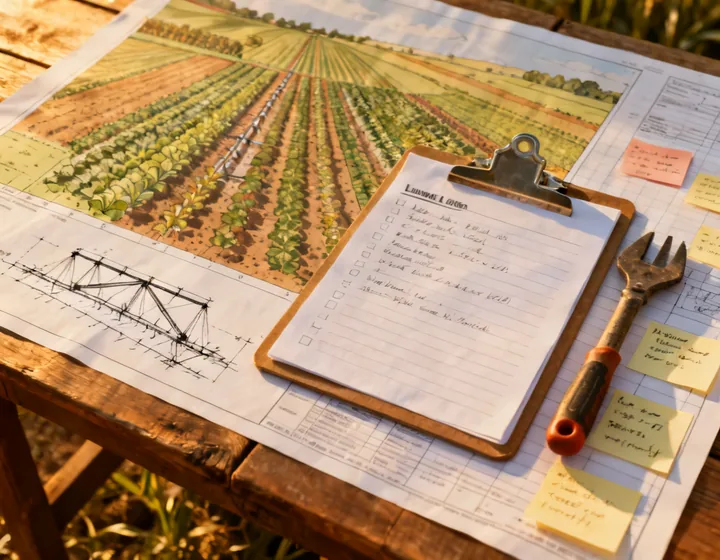
Farm Setup Guide
A buyer checklist that moves from crop goals and water source checks to a practical irrigation and hand-tool shortlist—without ESG filler or vague sustainability slogans.
How the guide works
“Write the crop plan and water numbers first. The SKU list is the last page, not the first.”
Gate one captures crop type, hectares, bed or tree spacing, and the weeks when water stress would hurt yield. Gate two logs water source quality, available pressure, and whether a VFD pump already exists. Gate three chooses the watering family—drip tape, oscillating sprinklers, micro kits or a hybrid—using geometry and labor, not catalog preference. Gate four builds the shortlist with spare parts and commissioning windows so CapEx and OpEx stay linked.
Procurement Managers often skip gate two and discover too late that 1.8 bar cannot feed the oscillating pattern they liked in a brochure. The Gardena guide forces the pressure note onto the same page as the coverage claim so RFQs stay honest.
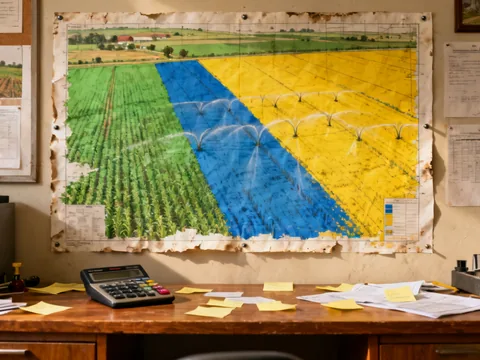
Reference planning bands we ask buyers to write down: coverage area targets such as 2 ha nursery blocks or 40 ha orchard phases; header flow rate in m³/h (often 30–120 m³/h depending on zone count); and working width for oscillating trials at 12–24 m. If a VFD pump already exists, record the pressure window it can hold under load.
Limits we state upfront: Gardena kits do not replace center-pivot machines on large open fields; wind above moderate thresholds distorts oscillating patterns; and emitter life drops when filtration and flush cycles are skipped. We document those boundaries in the shortlist so CapEx is not oversold.
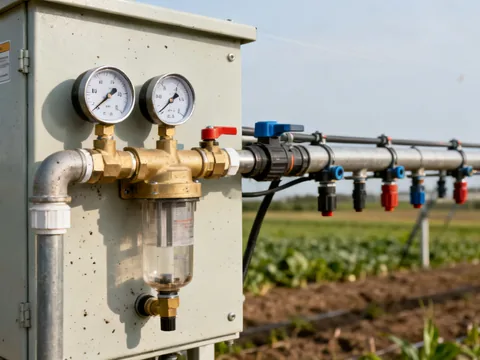
How to verify before you commit: send header photos, a pressure reading, and crop spacing; advisors return a coverage sketch and can arrange a dealer walkthrough or sample head trial on a marked strip so your crew can check wet patterns before a full RFQ.
Open each stage when you are ready. Print or forward the notes to your agronomist and dealer.
Send your crop plan snapshot and water numbers. Gardena advisors return a shortlist with coverage, pressure and parts notes you can take to procurement.